Learn how advanced hazard safety training helps demolition teams reduce risks, maintain OSHA compliance, and create safer job-site environments.
Introduction
Safety training is one of the most important parts of any successful demolition and abatement operation. Every project introduces unique hazards, operational challenges, and environmental risks that require professional preparation and continuous education.
At J&N Demolition & Abatement, our crews are trained to identify, assess, and safely manage complex demolition environments before work ever begins. Through advanced safety education and proactive planning, we maintain safe and controlled job-site operations across residential, commercial, industrial, and government projects.
Why Safety Training Matters
Demolition projects involve heavy machinery, structural instability, airborne contaminants, and hazardous materials. Without proper safety preparation, these conditions can create serious risks for workers, nearby properties, and the surrounding environment.
Our safety training programs focus on:
- Hazard awareness
- Controlled demolition procedures
- OSHA compliance standards
- Emergency response planning
- Equipment operation safety
- Environmental protection measures
Continuous education allows our crews to stay updated with modern demolition techniques and current industry regulations.
OSHA-Focused Procedures
OSHA compliance remains a critical part of our operational process. Every employee receives training on:
- Fall protection systems
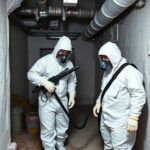
- Respiratory protection
- Site hazard communication
- Equipment safety inspections
- Personal protective equipment (PPE)
- Emergency evacuation procedures
Our supervisors conduct routine inspections and safety briefings to ensure every active project maintains compliance and operational accountability.
Site-Specific Hazard Preparation
No two demolition projects are identical. Each site contains different structural conditions, access limitations, and environmental concerns.
Before work begins, our team performs:
- Site hazard assessments
- Structural evaluations
- Equipment planning
- Air-quality analysis
- Traffic control coordination
- Emergency response preparation
These proactive measures help minimize risk while improving operational efficiency.
Daily Safety Meetings
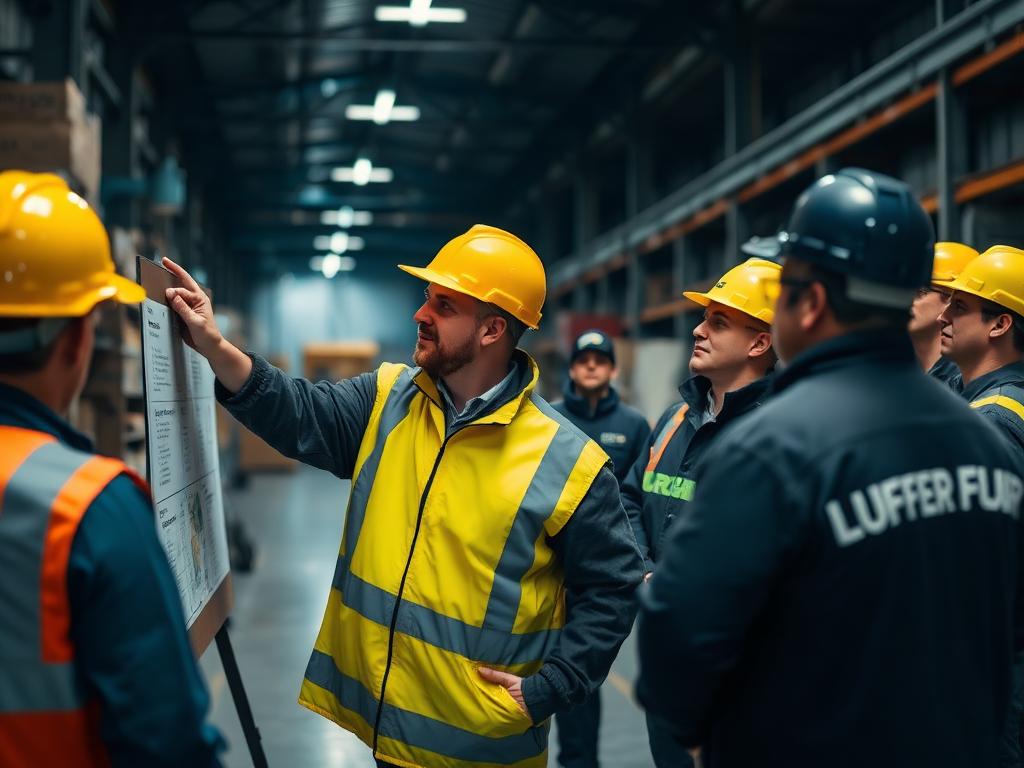
Every demolition project starts with a daily safety briefing. During these meetings, supervisors review:
- Current site hazards
- Work-zone safety procedures
- Equipment operation plans
- Team responsibilities
- Emergency communication protocols
Daily communication helps create accountability and ensures every worker understands project expectations before active demolition begins.
Conclusion
Advanced safety training is not optional in demolition operations; it is essential. Through OSHA-focused procedures, continuous education, and proactive hazard management, our team maintains safe, professional, and efficient demolition environments on every project.