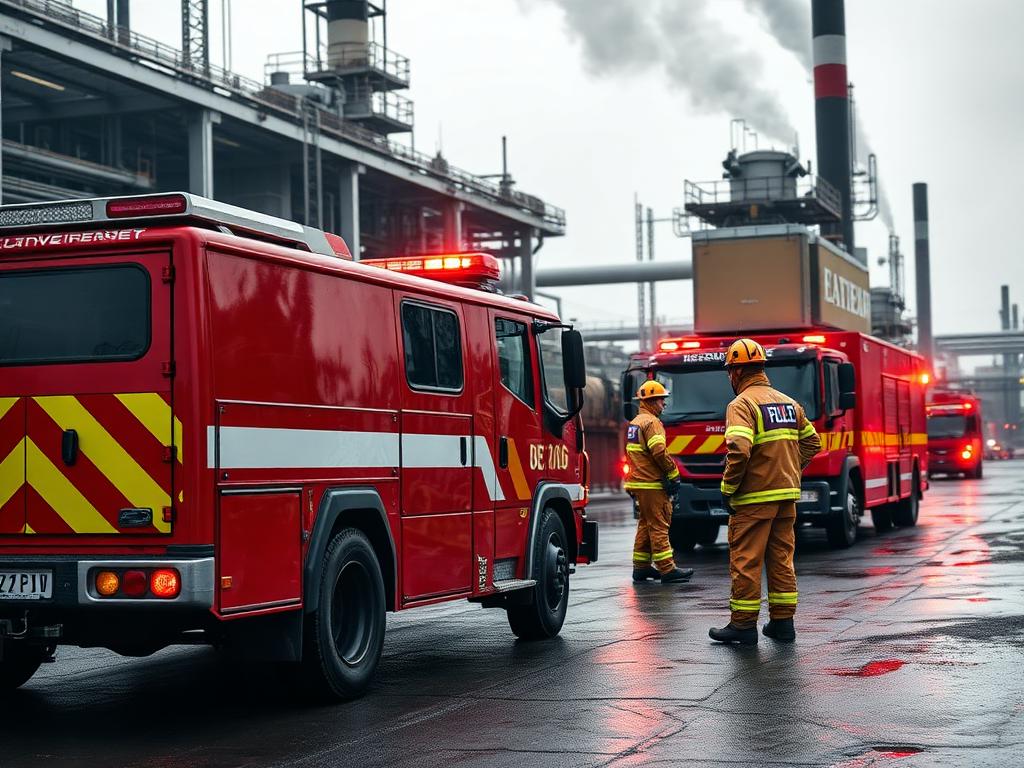
Learn why emergency response planning is critical for demolition safety, operational control, and rapid hazard management on active job sites.
Introduction
Demolition environments are fast-moving, high-risk operations that require detailed emergency preparedness. From structural instability and equipment hazards to environmental concerns and unexpected incidents, every demolition project must have a proactive emergency response strategy in place before work begins.
At J&N Demolition & Abatement, emergency planning is integrated into every stage of our demolition process to ensure safe, controlled, and efficient project execution.
Why Emergency Response Planning Matters
Unexpected situations can develop quickly on active demolition sites. Without proper preparation, small incidents can escalate into serious operational or safety concerns.
Emergency response planning helps:
- Protect workers and nearby communities
- Reduce operational downtime
- Improve communication efficiency
- Maintain OSHA compliance
- Control hazardous situations quickly
- Minimize property and environmental damage
A structured response system creates accountability and improves overall project safety.
Common Emergency Risks on Demolition Sites
Demolition operations may involve:
- Structural collapse risks
- Fire hazards
- Utility line exposure
- Hazardous material releases
- Heavy equipment incidents
- Air-quality contamination
- Falling debris
- Severe weather conditions
Our teams are trained to identify and prepare for these risks before active demolition begins.
Site-Specific Emergency Planning
Every demolition project requires a customized emergency strategy based on:
- Project size
- Structural conditions
- Environmental hazards
- Occupied surrounding areas
- Equipment operations
- Access limitations
Before work begins, our team develops:
- Emergency evacuation routes
- Site communication systems
- Medical response procedures
- Fire prevention plans
- Hazard containment procedures
- Emergency equipment staging areas
These procedures help maintain organized and controlled responses during critical situations.
Daily Safety Coordination
Emergency preparedness is reinforced through daily safety meetings and operational reviews.
Each day, supervisors discuss:
- Current site conditions
- Equipment safety updates
- Hazard exposure risks
- Emergency contact procedures
- Weather-related concerns
- Crew responsibilities
Consistent communication improves response efficiency and job-site awareness.
Equipment & Emergency Readiness
Our demolition teams maintain access to:
- First-aid equipment
- Fire suppression systems
- Emergency shutdown procedures
- Spill containment systems
- Air-monitoring equipment
- Hazard communication tools
Routine inspections ensure emergency equipment remains fully operational throughout the project lifecycle.
OSHA Compliance & Documentation
Emergency response planning must align with OSHA regulations and site-specific compliance requirements.
We maintain documentation for:
- Safety inspections
- Incident reporting procedures
- Employee certifications
- Emergency drills
- Hazard assessments
- Environmental monitoring records
Organized documentation supports accountability and long-term operational safety.
Conclusion
Emergency response planning is essential for maintaining safe demolition environments. Through proactive preparation, structured communication, and OSHA-focused procedures, our team ensures every project remains organized, responsive, and safety-driven from start to finish.