Understanding how hazardous material safety protocols protect workers, clients, and the surrounding environments during demolition operations.
Hazardous material removal is one of the most sensitive and highly regulated areas of demolition and environmental remediation. Materials such as asbestos, lead paint, mold contamination, and industrial chemicals require strict handling procedures to ensure public and environmental safety.
At J&N Demolition & Abatement, we follow industry-approved containment, removal, and disposal practices designed to minimize exposure risks and maintain environmental compliance.
Common Hazardous Materials Found During Demolition
Older residential, commercial, and industrial structures often contain:
- Asbestos insulation
- Lead-based paint
- Mold contamination
- Chemical residues
- Hazardous dust particles
- Industrial waste materials
Without proper containment procedures, these materials can create serious health and environmental concerns.
Importance of Proper Containment
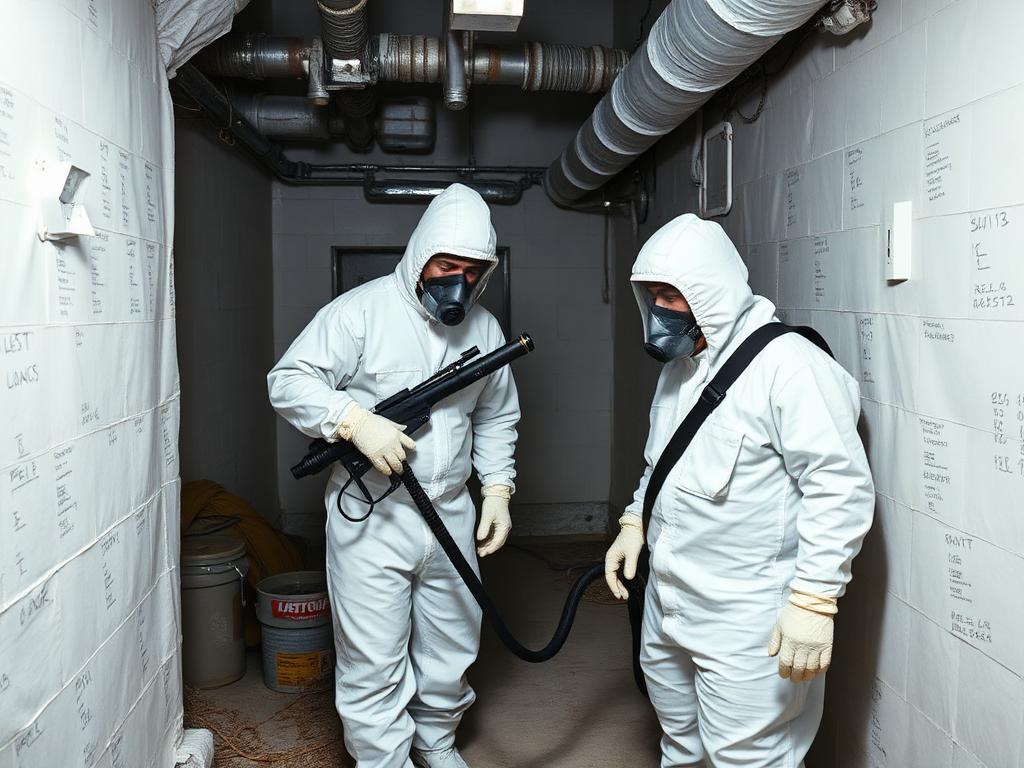
Containment is one of the most critical stages of hazardous material removal. Specialized containment systems help prevent airborne contamination from spreading beyond active work zones.
Containment procedures may include:
- Negative air pressure systems
- Sealed containment barriers
- HEPA filtration equipment
- Controlled waste removal procedures
- Air-quality monitoring systems
These safety measures help protect workers, nearby occupants, and surrounding communities.
Certified Safety Training
Our abatement crews receive specialized training in:
- Asbestos handling procedures
- Lead safety regulations
- HAZWOPER standards
- Respiratory protection systems
- Hazard communication protocols
- Environmental cleanup procedures
Ongoing education ensures our teams remain compliant with changing environmental regulations and industry standards.
Environmental Responsibility
Safe demolition operations require environmental accountability. Our team follows approved disposal procedures and recycling practices whenever possible to reduce environmental impact while maintaining regulatory compliance.
Conclusion
Hazardous material safety protocols play a critical role in safe demolition operations. Through certified training, proper containment systems, and environmental responsibility, our team ensures projects are completed safely and professionally.